All Categories - Anhefu
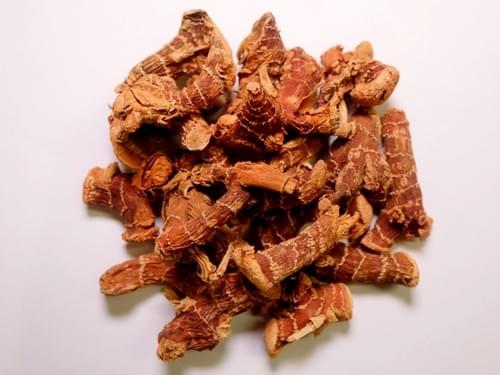
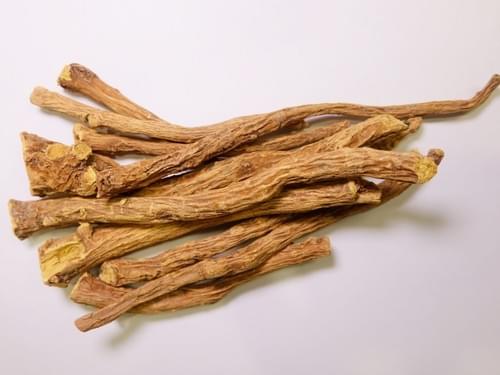
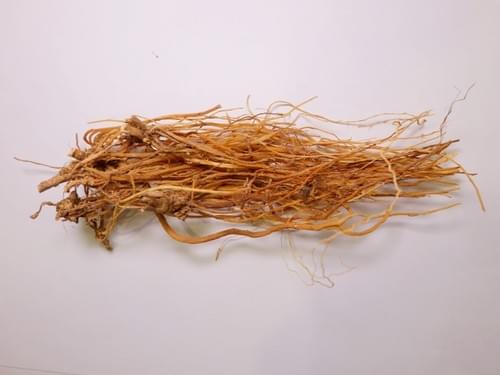
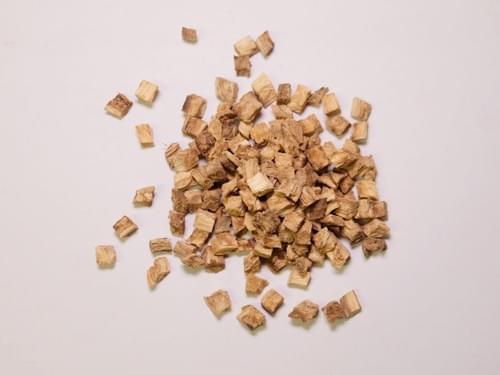
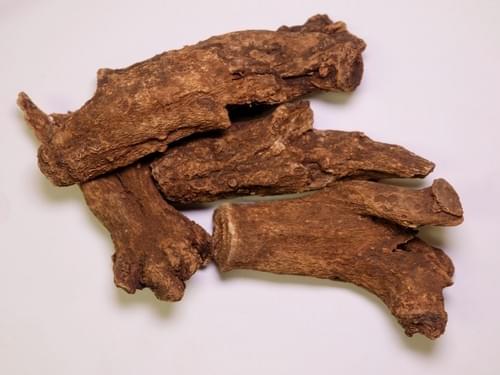
Astragali Radix
This product is the dried root of Scutellaria baicalensis Georgi of the Lamiaceae family. It is dug in spring and autumn. After removing the fibrous roots and sediment, it is sun-dried, then the rough bark is knocked off, and finally it is dried again.<br>Properties, Flavors and Meridian Tropisms<br>Bitter in flavor, cold in nature. It pertains to the lung, gallbladder, spleen, large intestine and small intestine meridians.<br><br>Functions and Indications<br>Clears heat and dries dampness, purges fire and removes toxins, stops bleeding and prevents miscarriage. It is used for damp-warmth and summer-dampness syndromes, with symptoms such as chest tightness, nausea and vomiting, fullness and discomfort due to damp-heat, diarrhea and dysentery, jaundice, cough due to lung heat, high fever with restlessness and thirst, hematemesis and epistaxis caused by blood heat, carbuncles and sores, and restlessness of the fetus.
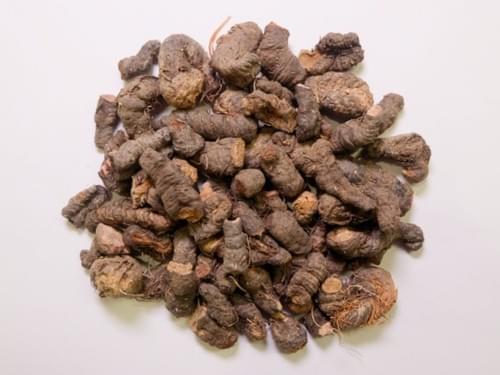
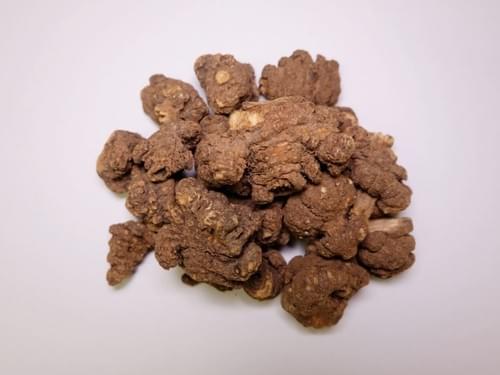
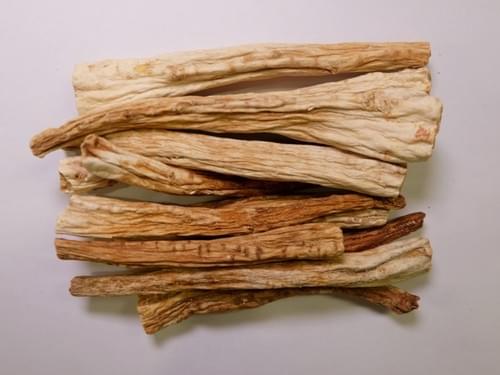
Bistortae Rhizoma
This product is the dried rhizome of Polygonum bistorta L. of the Polygonaceae family. It is dug either when it starts to sprout in early spring or when the stems and leaves are about to wither in autumn. After removing sediment, it is sun-dried and the fibrous roots are removed.<br><br>Properties, Flavors and Meridian Tropisms<br>Bitter, astringent in flavor, slightly cold in nature. It pertains to the lung, liver and large intestine meridians.<br><br>Functions and Indications<br>Clears heat and removes toxins, reduces swelling and stops bleeding. It is used for dysentery with heat symptoms and diarrhea, cough due to lung heat, carbuncles, scrofula, oral ulcers, hematemesis and epistaxis due to blood heat, hemorrhoid bleeding, and bites by snakes and insects.
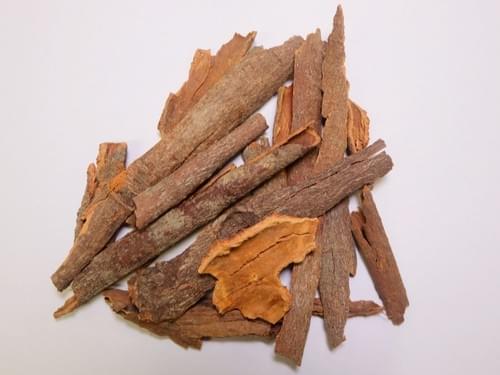
Cinnamon
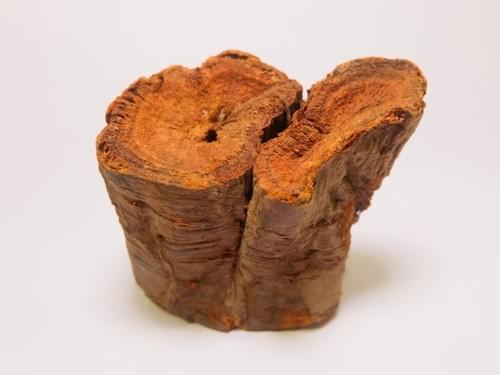
This product is the dried bark of Cinnamomum cassia Presl of the Lauraceae family. It is mostly peeled in autumn and then air-dried.<br>Properties, Flavors and Meridian Tropisms<br>Pungent, sweet in flavor, extremely hot in nature. It pertains to the kidney, spleen, heart and liver meridians.<br>Functions and Indications<br>Supplements fire and boosts yang, guides floating yang back to its origin, dispels cold and relieves pain, warms and activates meridians. It is used for impotence, coldness of the uterus, soreness and coldness of the waist and knees, dyspnea due to kidney deficiency, floating of deficient yang, dizziness and redness of the eyes, cold pain in the chest and abdomen, vomiting and diarrhea due to deficiency-cold, cold hernia pain, dysmenorrhea and amenorrhea.
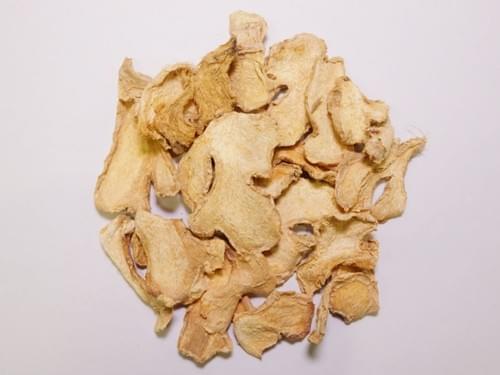
Dried Ginger
<br>This product is the dried rhizome of Zingiber officinale Rosc. of the Zingiberaceae family. It is dug in winter. After removing the fibrous roots and sediment, it is sun-dried or dried at a low temperature. The product that is sliced while fresh and then sun-dried or dried at a low temperature is called "Dried Ginger Slices".<br><br>Properties, Flavors and Meridian Tropisms<br>Pungent in flavor, hot in nature. It pertains to the spleen, stomach, kidney, heart and lung meridians.<br><br>Functions and Indications<br>Warms the middle-jiao and dispels cold, restores yang and promotes the flow of meridians, warms the lungs and resolves fluid retention. It is used for cold pain in the abdomen and stomach, vomiting and diarrhea, cold limbs with weak pulse, and wheezing and coughing due to cold fluid retention.
Dwarf Lilyturf Tuber
This product is the dried tuberous roots of Ophiopogon japonicus (L.f) Ker - Gawl. of the Liliaceae family. It is dug in summer. After washing, it is repeatedly sun - dried and piled up until it is 70 - 80% dry. Then the fibrous roots are removed and it is further dried.<br>Properties, Flavors and Meridian Tropisms<br>Sweet, slightly bitter in flavor, slightly cold in nature. It pertains to the heart, lung and stomach meridians.<br><br>Functions and Indications<br>Nourishes yin and promotes fluid production, moistens the lungs and clears the heart. It is used for dry cough due to lung dryness, consumptive cough due to yin deficiency, sore throat caused by throat impediment, thirst due to fluid injury, internal heat with thirst, restlessness and insomnia, and constipation due to intestinal dryness.
Gentiana Cruciata
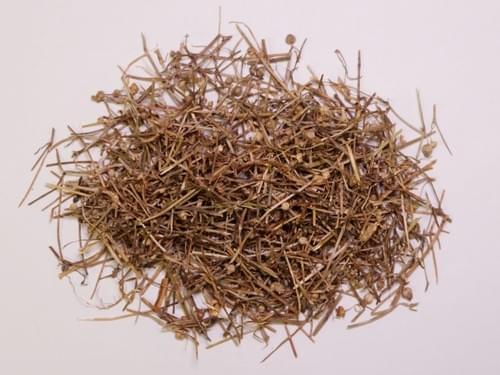
This product is the dried above - ground part of Conyza blinii Lévl. of the Asteraceae family. It is harvested in summer and autumn. After removing impurities, it is sun - dried.<br>Properties, Flavors and Meridian Tropisms<br>Bitter in flavor, cold in nature. It pertains to the lung and liver meridians.<br>Functions and Indications<br>Clears heat and resolves phlegm, relieves cough and asthma, removes toxins and promotes diuresis, cools blood and stops bleeding. It is used for cough due to lung heat, profuse phlegm with wheezing, sore throat, oral ulcers, jaundice due to damp - heat, epistaxis, hematochezia, abnormal uterine bleeding, and traumatic bleeding.
Kudzu-vine Root
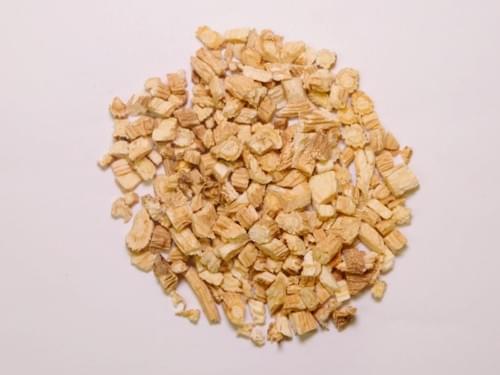
This product is the dried root of Pueraria lobata (Willd.) Ohwi of the Leguminosae family. It is commonly known as wild kudzu root. It is dug in autumn and winter. While still fresh, it is cut into thick slices or small pieces and then dried.<br>Properties, Flavors and Meridian Tropisms<br>Sweet, pungent in flavor, cool in nature. It pertains to the spleen, stomach and lung meridians.<br>Functions and Indications<br>Relaxes muscles and reduces fever, promotes fluid production and relieves thirst, promotes the eruption of measles, raises yang and stops diarrhea, dredges meridians and activates collaterals, and relieves alcohol toxicity. It is used for headache due to external contraction of pathogenic factors with fever, stiffness and pain in the nape and back, thirst, diabetes, incomplete eruption of measles, heat dysentery, diarrhea, dizziness and headache, hemiplegia after stroke, chest pain due to chest impediment, and injury to the middle jiao caused by alcohol toxicity.
Platycodon Root
This product is the dried root of Platycodon grandiflorum (Jacq.) A.DC. of the Campanulaceae family. It is dug in spring and autumn. After washing, the fibrous roots are removed. The outer skin can be peeled off while it is still fresh or left intact, and then it is dried.<br>Properties, Flavors and Meridian Tropisms<br>Bitter, pungent in flavor, neutral in nature. It pertains to the lung meridian.<br>Functions and Indications<br>Disperses the lung qi, soothes the throat, resolves phlegm and expels pus. It is used for excessive phlegm with cough, chest tightness, sore throat with hoarseness, and expectoration of pus in lung abscess.
Saussurea Lappa
This product is the dried root of Aucklandia lappa Decne. of the Asteraceae family. It is dug in autumn and winter. After removing sediment and fibrous roots, it is cut into sections. The larger sections are longitudinally sliced into pieces. After drying, the rough bark is knocked off.<br><br>Properties, Flavors and Meridian Tropisms<br>Pungent, bitter in flavor, warm in nature. It pertains to the spleen, stomach, large intestine, triple energizer and gallbladder meridians.<br><br>Functions and Indications<br>Promotes qi circulation and relieves pain, strengthens the spleen and aids digestion. It is used for pain in the chest, hypochondrium and abdomen, tenesmus in diarrhea and dysentery, undigested food accumulation, and loss of appetite. Processed Aucklandia lappa (Wei Muxiang) has the effect of astringing the intestines and stopping diarrhea. It is used for abdominal pain accompanied by diarrhea.
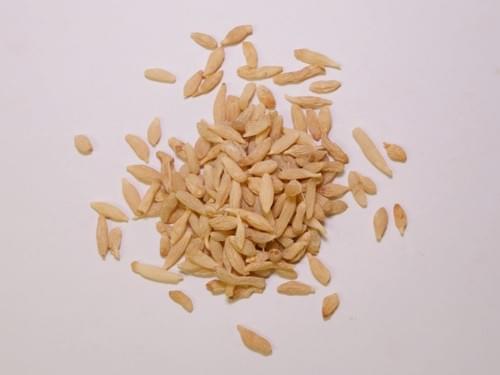
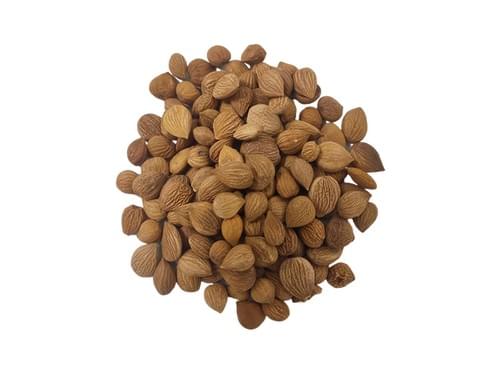
Peach Kernel
This product is the dried mature seed of Prunus persica (L.) Batsch or Prunus davidiana (Carr.) Franch., both belonging to the Rosaceae family. The fruit is harvested when ripe, the flesh and shell are removed, the seeds are taken out, and dried.<br><br>【Nature and Meridian Tropism】Bitter, sweet, neutral. Returns to the Heart, Liver, and Large Intestine meridians.<br><br>【Functions and Indications】Activates blood and removes blood stasis, moistens the intestines and promotes bowel movements, stops cough and calms asthma. Used for amenorrhea, dysmenorrhea, masses and lumps, lung abscess, intestinal abscess, trauma from falls, constipation due to intestinal dryness, and cough and asthma.
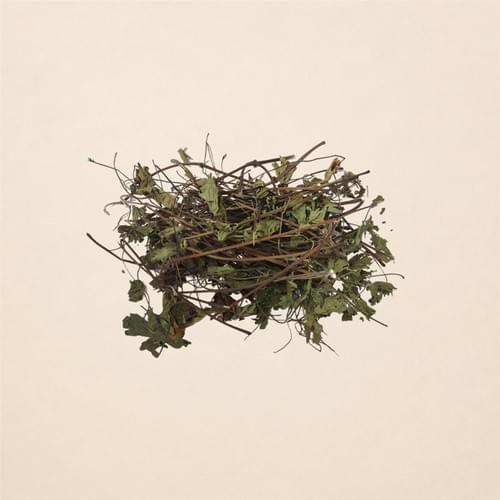
Geranium Herb
This product is the dried aboveground part of Erodium stephanianum Willd. (commonly known as "long-beak geranium"), Geranium wilfordii Maxim., or Geranium carolinianum L. (both commonly known as "short-beak geranium"), all belonging to the Geraniaceae family. It is harvested in summer and autumn when the fruits are nearly ripe, bundled, and dried.<br><br>【Functions and Indications】Expels wind and dampness, promotes blood circulation to remove blood stasis, stops diarrhea and dysentery. Used for rheumatic arthralgia, numbness and spasm, muscle and bone soreness, diarrhea, and dysentery.
Divaricate Saposhnikovia Root
This product is the dried root of Saposhnikovia divaricata (Turcz.) Schischk. of the Umbelliferae family. The roots of plants that have not yet sent up flower stalks are dug in spring and autumn. After removing the fibrous roots and sediment, they are sun-dried.<br><br>Properties, Flavors and Meridian Tropisms<br>Pungent, sweet in flavor, slightly warm in nature. It pertains to the bladder, liver and spleen meridians.<br><br>Functions and Indications<br>Dispels wind and induces sweating, overcomes dampness and relieves pain, and stops convulsions. It is used for headache due to common cold, wind-damp arthralgia, itching of rubella, and tetanus.
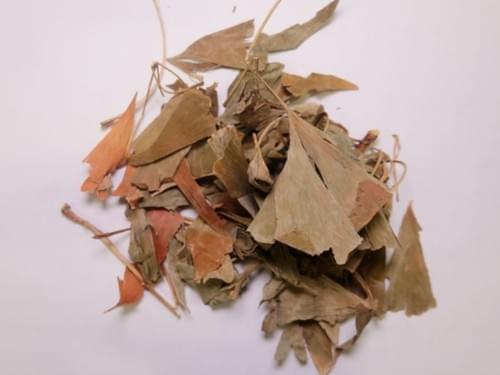
Mulberry Leaf
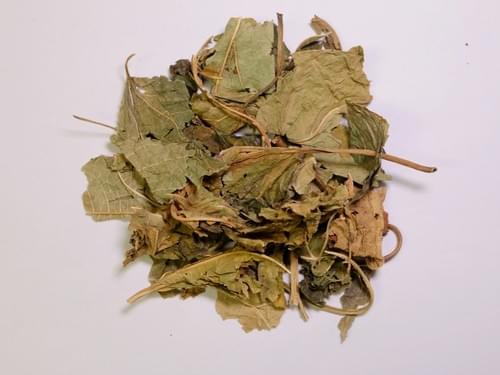
This product is the dried leaf of Morus alba L., a plant of the Moraceae family. It is harvested after the first frost, impurities are removed, and it is dried in the sun.<br><br>[Nature and Flavor and Meridian Tropism]Sweet, bitter, cold. Returns to the lung and liver meridians.<br><br>[Functions and Indications]Disperses wind-heat, clears the lung and moistens dryness, clears the liver and brightens the eyes. Used for wind-heat colds, lung heat dry cough, dizziness and headache, red and blurred eyes.
Rhubarb
This product is the dried roots and rhizomes of Rheum palmatum L., Rheum tanguticum Maxim. ex Balf. or Rheum officinale Baill. of the Polygonaceae family. It is dug either when the stems and leaves wither at the end of autumn or before germination in the following spring. After removing the fine roots and scraping off the outer skin, it is cut into pieces or sections, strung together with a rope and dried, or dried directly.<br><br>Properties, Flavors and Meridian Tropisms<br>Bitter in flavor, cold in nature. It pertains to the spleen, stomach, large intestine, liver and pericardium meridians.<br>Functions and Indications<br>Promotes purgation to remove accumulation, clears heat and purges fire, cools blood and removes toxins, promotes blood circulation to remove stasis and regulate menstruation, and promotes diuresis to relieve jaundice. It is used for constipation due to excessive heat and accumulation, hematemesis and epistaxis caused by blood heat, redness and swelling of the eyes and throat, carbuncles, boils, appendicitis with abdominal pain, amenorrhea due to blood stasis, postpartum stasis obstruction, traumatic injuries, damp-heat dysentery, jaundice with dark urine, stranguria,
Powered By

Cookie Use
We use cookies to ensure a smooth browsing experience. By continuing we assume you accept the use of cookies.
Learn More